
This year’s autumn has reached its end, and with it we would expect the same of the migratory movements of our lapwings. And indeed, that seems to be the case. The number of lapwings on the Iberian Peninsula appears to have stabilized at eleven, and unfortunately the stay there has already proved fatal for Uherák. We’re planning our own inspection trip to the area in January, so we’ll see whether we manage to learn more about the circumstances of his death. The remaining lapwings are in France, and regrettably it must be said that this year’s autumn fogs are evidently not limited to the Czech landscape. The condition of most transmitters is much worse than it was last year. So when wishing our lapwings all the best for the New Year, we’ll have to put special emphasis on a sunny remain of the winter. And then there’s Lucifer, who according to the latest information is still in the Czech Republic! Last year’s record has thus been beaten by a wide margin, and even St. Nicholas failed to prompt him to leave—which, as you’ll surely agree, one might have expected in Lucifer’s case.
For a long time, the topic of today’s blog seemed obvious, we were supposed to focus on the consistency of migratory behavior in those individuals we’ve had the pleasure of tracking for a second year. In the end, however, something happened that made me postpone the comparison of migration and devote this pre-Christmas blog to one of the historical chapters of our research, which I had already considered definitively closed. When the ringing station contacted me a few weeks ago to say that a colleague from South Bohemia had read our lapwing with an orange flag at the Vrbenské fishponds, I was thrilled. This is a marking type we haven’t used for many years, and every resighting is therefore worth celebrating. This time, however, it turned out that the reason for celebration was truly major. The bird was Platan, a lapwing chick with whom we share far more than just the code F4 engraved on the orange flag we attached to his leg. Platan was one of the chicks we collected, still in the egg, from a flooded nest eight long years ago. We artificially incubated the eggs in an incubator and, after hatching, cared for the chick until fledging. On July 15th, 2017, we released him on the shore of Dehtář Pond, and since then we had heard nothing about him. But let’s go back to the beginning and place the whole story into a broader context.
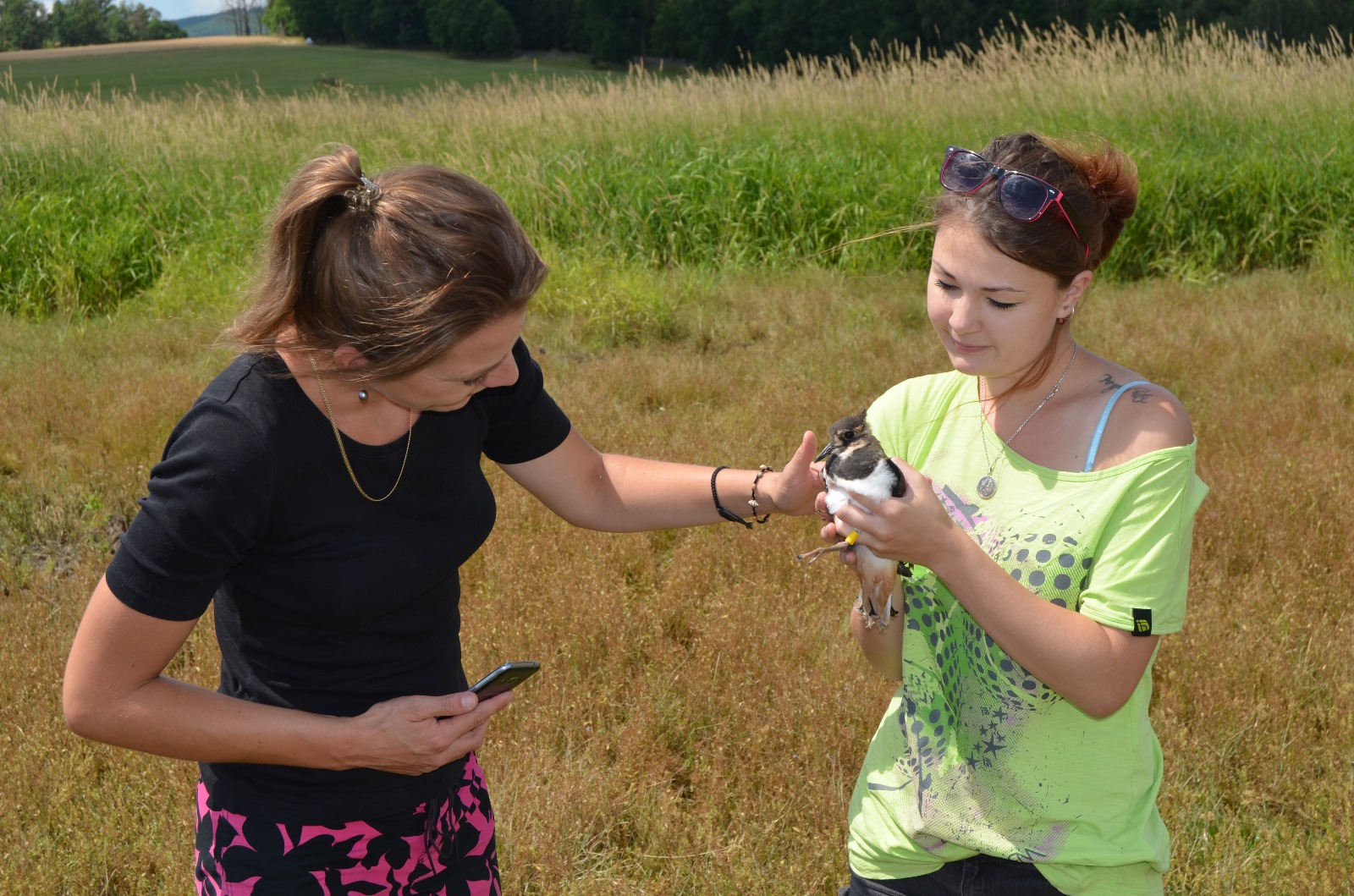 Figure 1: Verča Kolešková (as the chief “mom” of our chicks) and Katka Brynychová saying goodbye to a hand-reared lapwing just before release
In our work, it’s common to encounter nests that are abandoned or destroyed for a variety of reasons. And this was no different in the years when we were intensively studying lapwings and little ringed plovers nesting in fields around České Budějovice. We often wondered how to help these eggs. Could we hatch them in an incubator, rear the chicks, and then release them? There was, of course, no small amount of research interest involved as well. A detailed description of chick growth and development would certainly be very useful to us in the field, especially when working with chicks of unknown age. And there were several ideas about how such rearing could be used for science. So at the beginning of 2017, a plan finally matured: when we next encountered eggs that could not be helped in the wild, we would be ready to take over their care and replace their parents until the moment they became fledged. This was possible mainly thanks to the understanding of the head of the Prague wildlife rescue station, who was willing to take the project under his wing and thus provide it with the necessary legal framework. And then we simply waited (this time more with hope than with fear) to see what challenges the monitored nests would face during the breeding season.
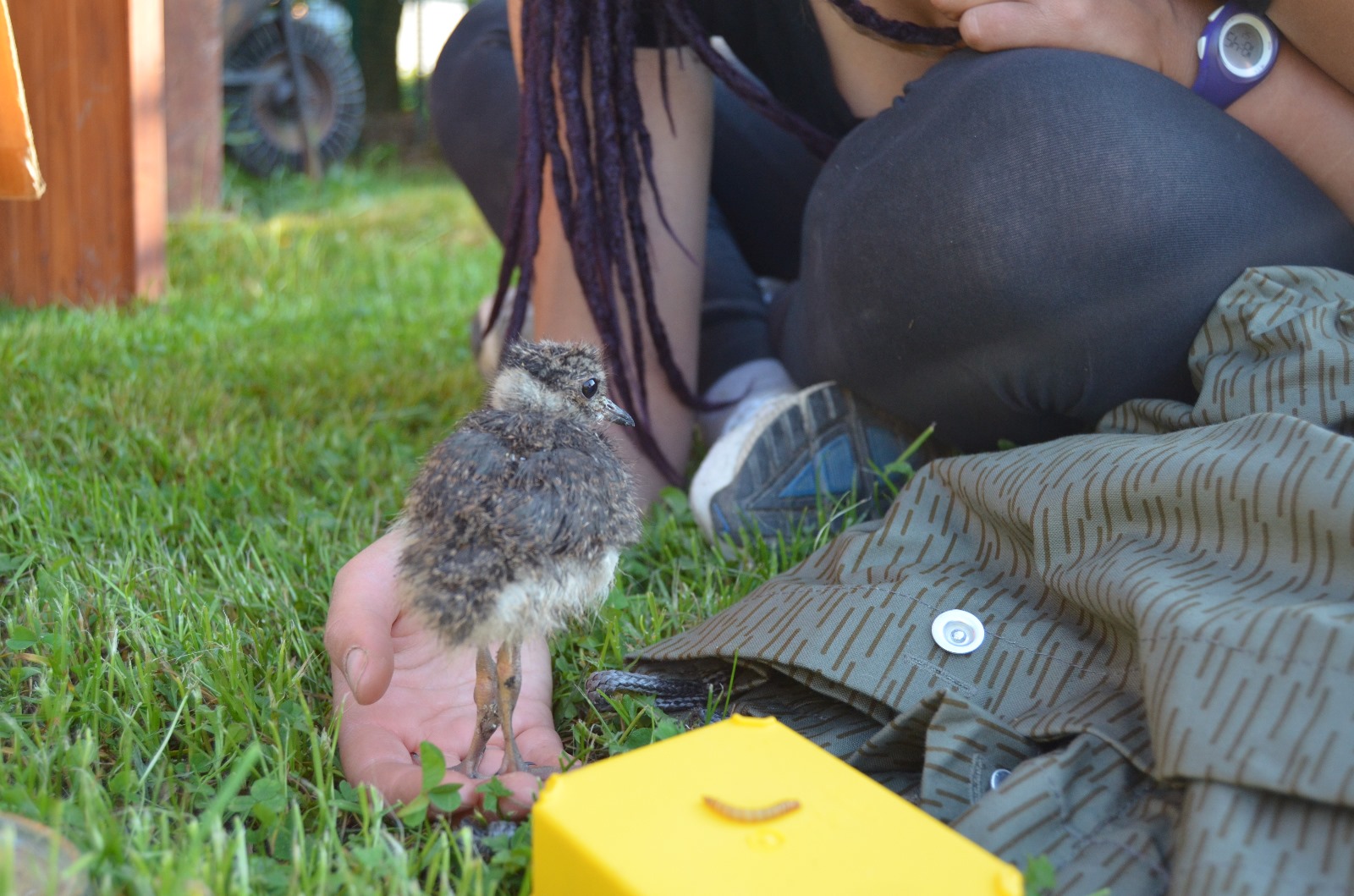 Figure 2: The chicks became quite accustomed to us through regular handling
And because fortune favors the prepared (or rather, it was fortunate that we were prepared), in no other season was such an intervention more needed than in 2017. After a relatively dry start to the season, several days of continuous rain followed, some fields turned into continuous water surfaces, and we drove from nest to nest, collecting drowned expensive dataloggers and with them eggs, often already washed out of the nest. And credit must be given to Mother Nature, she has eggs well designed. Despite the fact that many embryos had to endure a lot before being placed into a warm incubator, and many eggs were probably already dead when taken to the hatchery, hatching success reached about 60%, and we managed to rear the vast majority of hatched chicks to fledging. Probably the greatest tour de force (whether ours, the chick’s, or Mother Nature’s is disputable) was the successful rearing of a chick that remained, at about two-thirds of incubation, alone in a nest abandoned (Fig 3A) after partial predation for a full three endless days! We know this precisely because a functioning temperature-logging datalogger was installed in the nest the entire time. The developed embryo thus spent entire nights chilled at temperatures often below 10°C (Fig 3B), and during the warmest part of the day was inevitably baked on ground heated to over 40°C (Fig 3C). And yet it survived and managed to hatch, providing valuable testimony to just how much wader eggs are capable of enduring.
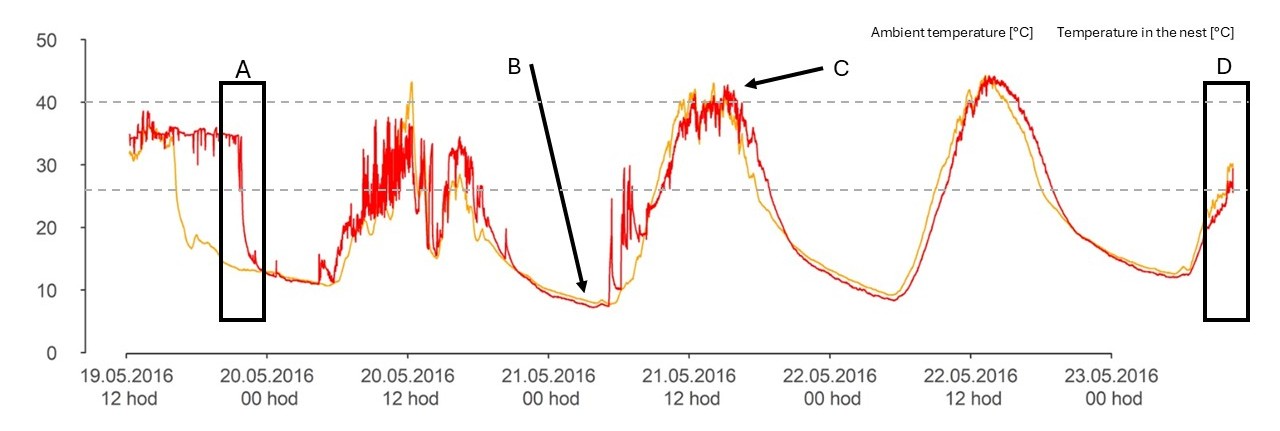 Figure 3: Record of nest temperature after partial predation (yellow line = outside temperature, red line = inside temperature, dotted gray lines = incubation temperatures – minimum/maximum that the embryo can tolerate) : A) abandonment of the nest, B) risk of hypothermia, C) risk of overheating, D) collection of data loggers and the remaining egg, which eventually hatched
The first to hatch was Pípák—a lapwing chick unlucky enough to hatch more than a week before any other. We tried to compensate for his natural need for company (that is, the warmth of the family hearth) as best we could—with a warm hand, a hood, a sleeve, or at least a stuffed toy. None of it was enough, and so Pípák peeped and peeped until our heads rang. Relief came only with the hatching of the already mentioned Platan, who from our perspective was second-hatched. Just to be clear, we named the lapwings purely based on momentary inspiration, cheerfully ignoring their chromosomal makeup. In Platan’s case, that inspiration was a beer we valiantly consumed during evening sessions by the incubator in a romantic cabin on the shore of Dehtář Pond - our field base at the time. Platan became the much-needed younger brother to Pípák, and together they formed the foundation of a steadily growing flock of wader chicks, soon enriched by a group of five-gram little ringed plover chicks.
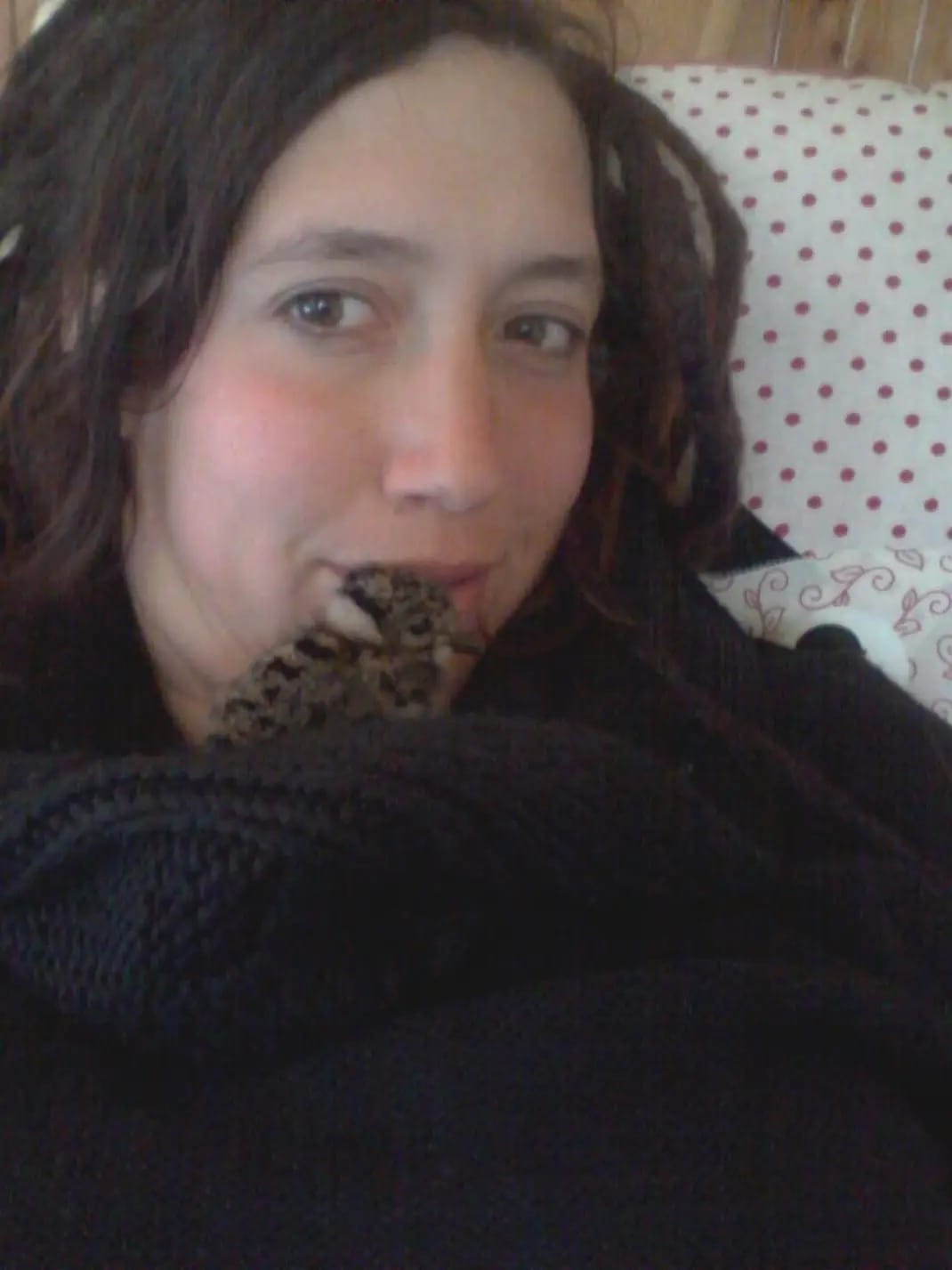 Figure 4: Eva Petrusová Vozabulová trying to supply for Pípák’s lack of maternal care
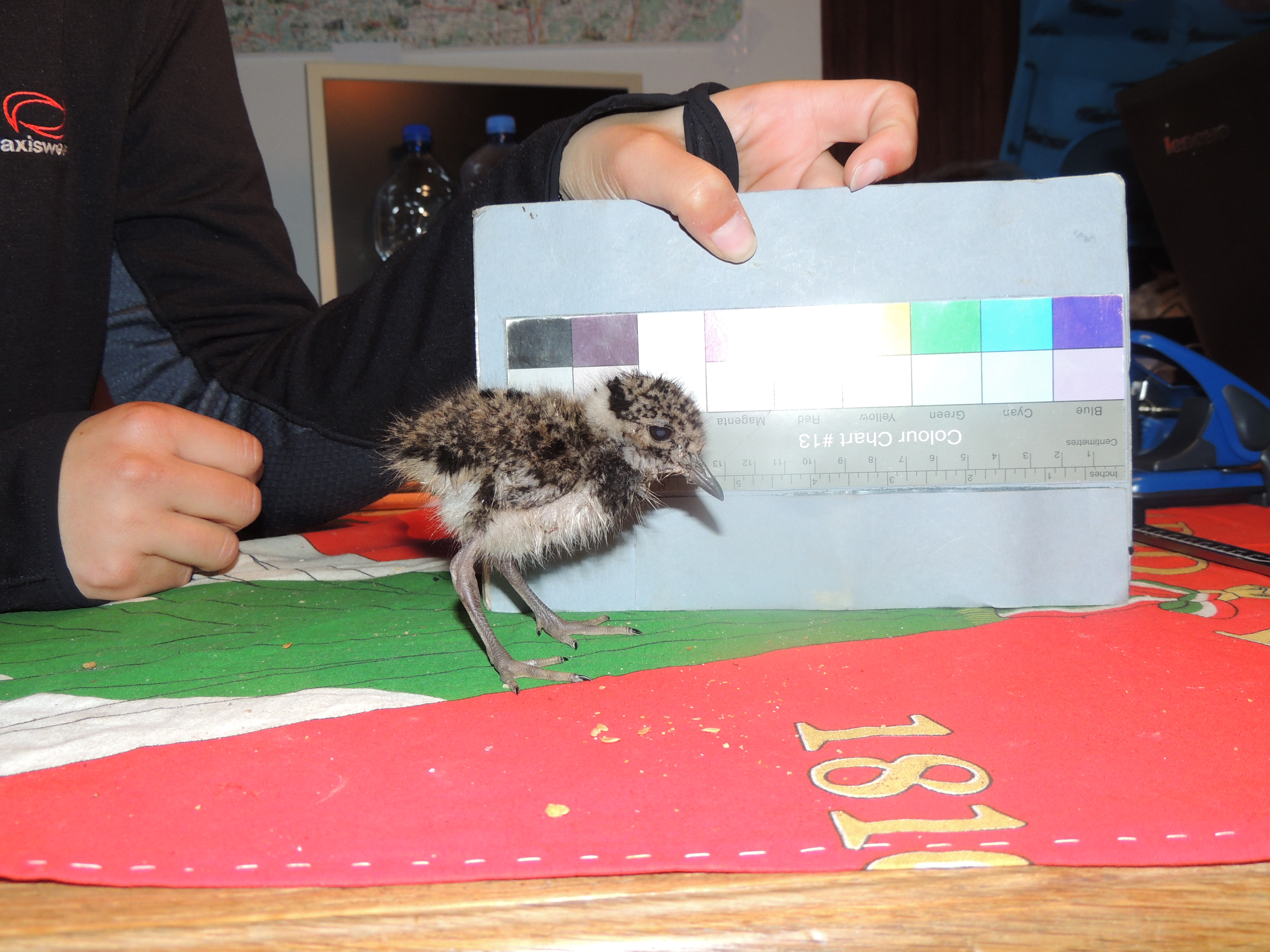 Figure 5: Photographing the newly hatched Platan at the cabin by Dehtář Pond
I look back very fondly on the time when growing waders paraded through our field cabin (and later more spacious Prague aviaries) and peeping filled the air. And that’s despite the fact that it was also an extraordinarily demanding period. To an already intense field season was added the care of nearly three dozen restless chicks, whose rearing we had virtually no experience with. Fortunately, we were able to consult the whole endeavor with colleagues from zoological gardens, and it must be said that the chicks turned out to be more or less exemplary charges. As the chicks grew, it became time to think about releasing them. After careful consideration, we again chose Dehtář Pond as the ideal site—it had lower water levels that year and hosted a large group of lapwings in early summer. There we transported all the carefully reared chicks shortly after they reached fledging, and with poorly concealed tears in our eyes, we said goodbye.
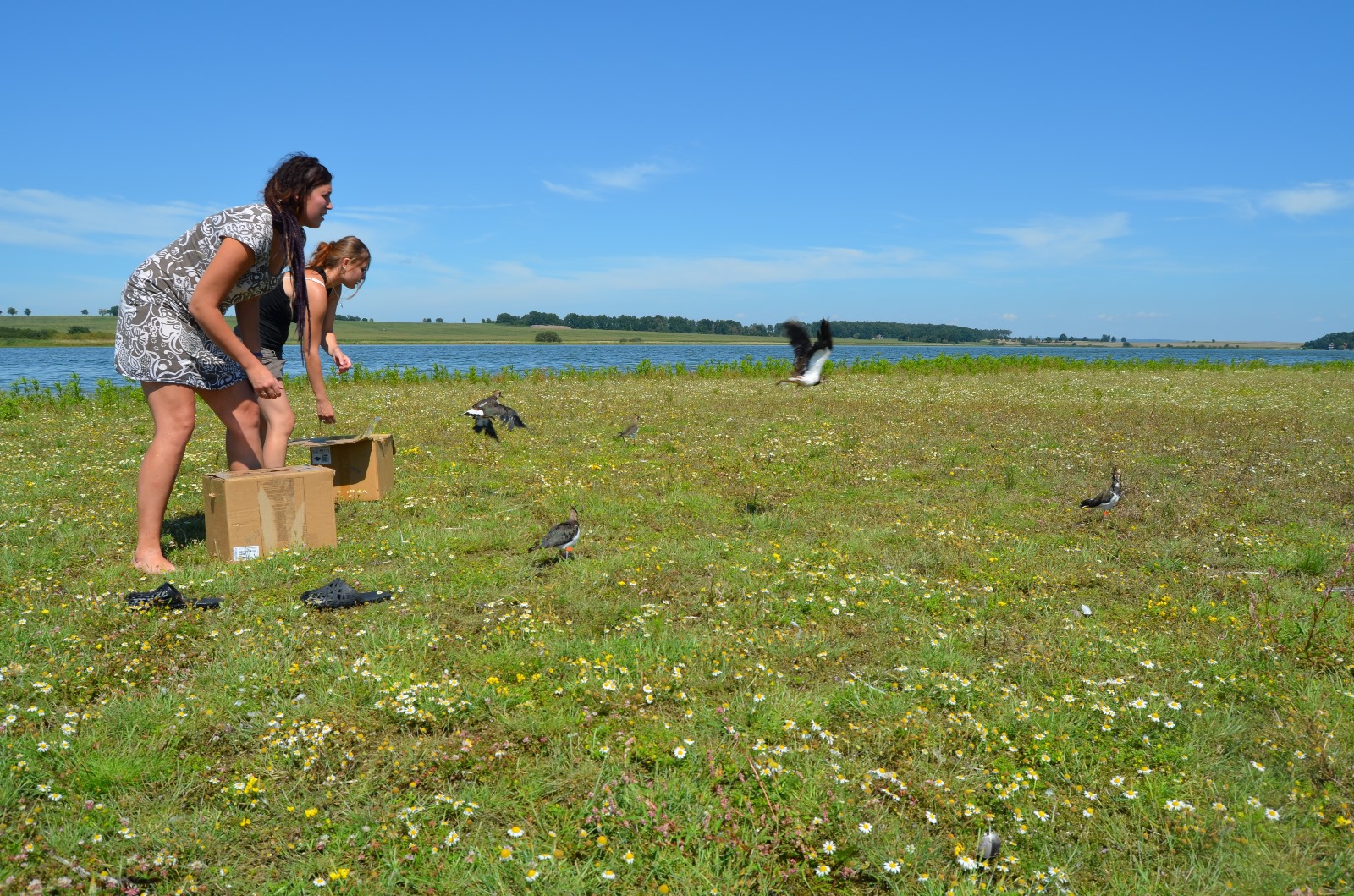 Figure 6: Chicks set off – or take flight – into the world
One thing, however, is to rear and release an animal; another is whether it all made sense. That is, whether those skeptics (and there were some even among our colleagues) were right when they viewed the whole chick saga with doubt and predicted doom upon seeing fearless chicks wandering around the bottom of a crate. That the chicks had imprinted on us too much, and that without methodological guidance from their real parents - thoroughly tested by the many pitfalls of wader life - they wouldn’t be able to cope in the wild. Questions about how our chicks were doing, and whether they became easy prey for predators shortly after release or succumbed to other hazards of life in the wild, naturally haunted us constantly.
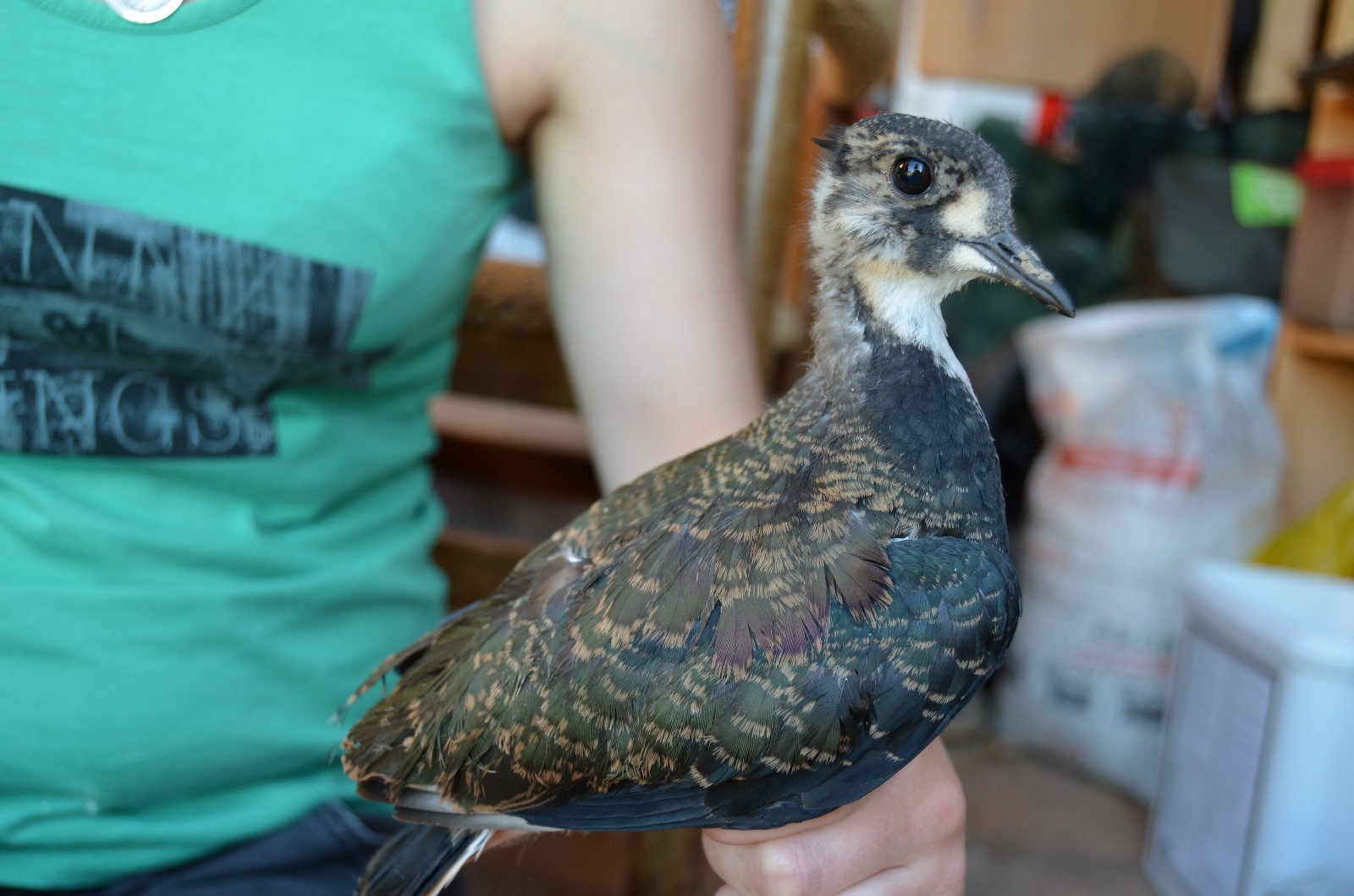 Figure 7: And they grew like weeds!
Of course, we didn’t release the chicks completely unmarked. In addition to an aluminum ring, the lapwings received a yellow plastic ring and an orange flag with a two-digit code. The plovers got combinations of several colored rings. We thus used color-marking schemes assigned to us by the pan-European coordinator and used for marking wild populations. Transmitters were beyond our dreams back then, and experience with color marking was often quite bitter. In 2017, we successfully reared and released 13 lapwings and 12 plovers (with another 13 plovers added in subsequent years). That’s certainly not a small number—and it indeed took considerable effort and nerves. Compared to the number of individuals (chicks and adults) we marked in the wild in those years, however, it was almost nothing. And given the number of resightings we obtained at the time, it was clear that our hopes of encountering any of our fosterlings again were rather vague.
Then things started to happen. In spring 2018, a Belgian ornithologist emailed me to say he had read the code on our lapwing’s flag at the site of Woumen in Belgium (51°00'14.5"N 2°52'47.9"E). Looking at the list of flags, I could barely suppress my joy—it turned out to be Mapežník, a chick reared from flooded eggs on the islet at MAPE, which we described in detail in one of our earlier blogs. We thus had confirmation that a reared chick could not only survive but also migrate a considerable distance—about 850 kilometers. And we didn’t hear about Mapežník for the last time. At the beginning of July 2019, he was observed at the same site again, making it quite likely that he settled in Belgium permanently.
But that was only the beginning! At a nest near Vyšatov pond, we managed to catch a plover incubating on a nest—one we had named Pankrác during rearing. We thus proved that reared chicks can also reproduce successfully. And our joy wasn’t spoiled at all by the fact that Pankrác turned out to be Pankrácka. And thirdly, another chick (this time again a lapwing) that returned and was resighted was Marie. Our dream of learning how our chicks were doing thus came true to a greater extent than we could have hoped. As the years passed, we no longer dared to hope for further encounters. Rings simply aren’t transmitters, and even though color marking undoubtedly increases resighting probability, in reality only a small fraction of marked birds are ever recorded. Incidentally, of approximately 70 lapwing females marked in the same way, we obtained resightings from only six individuals. The resighting of Platan after more than eight long years therefore came like a bolt from the blue—and it is a fascinating success!
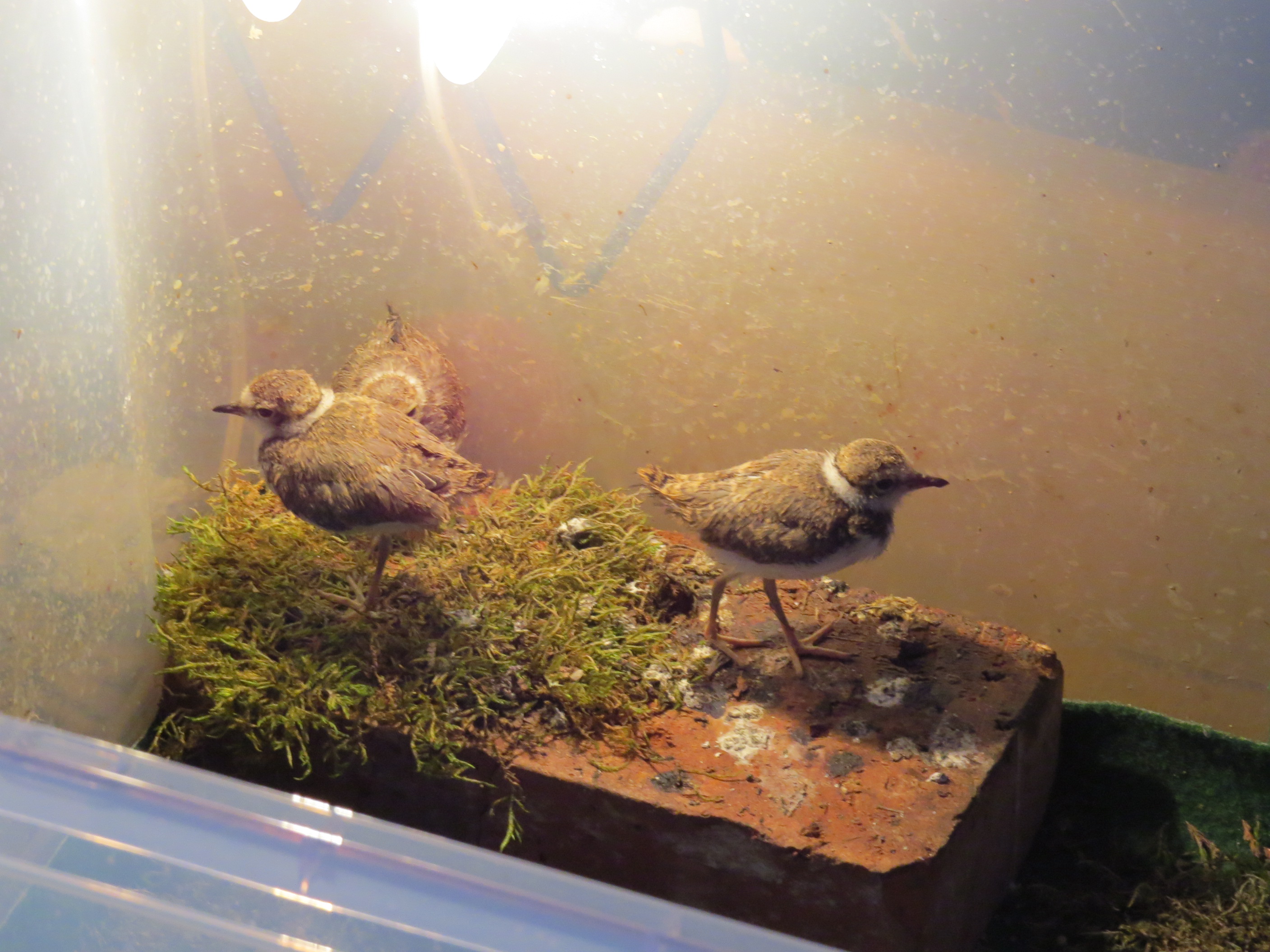 Figure 8: Plovers Pankrác(ka), Servác, and Bonifác in their temporary home
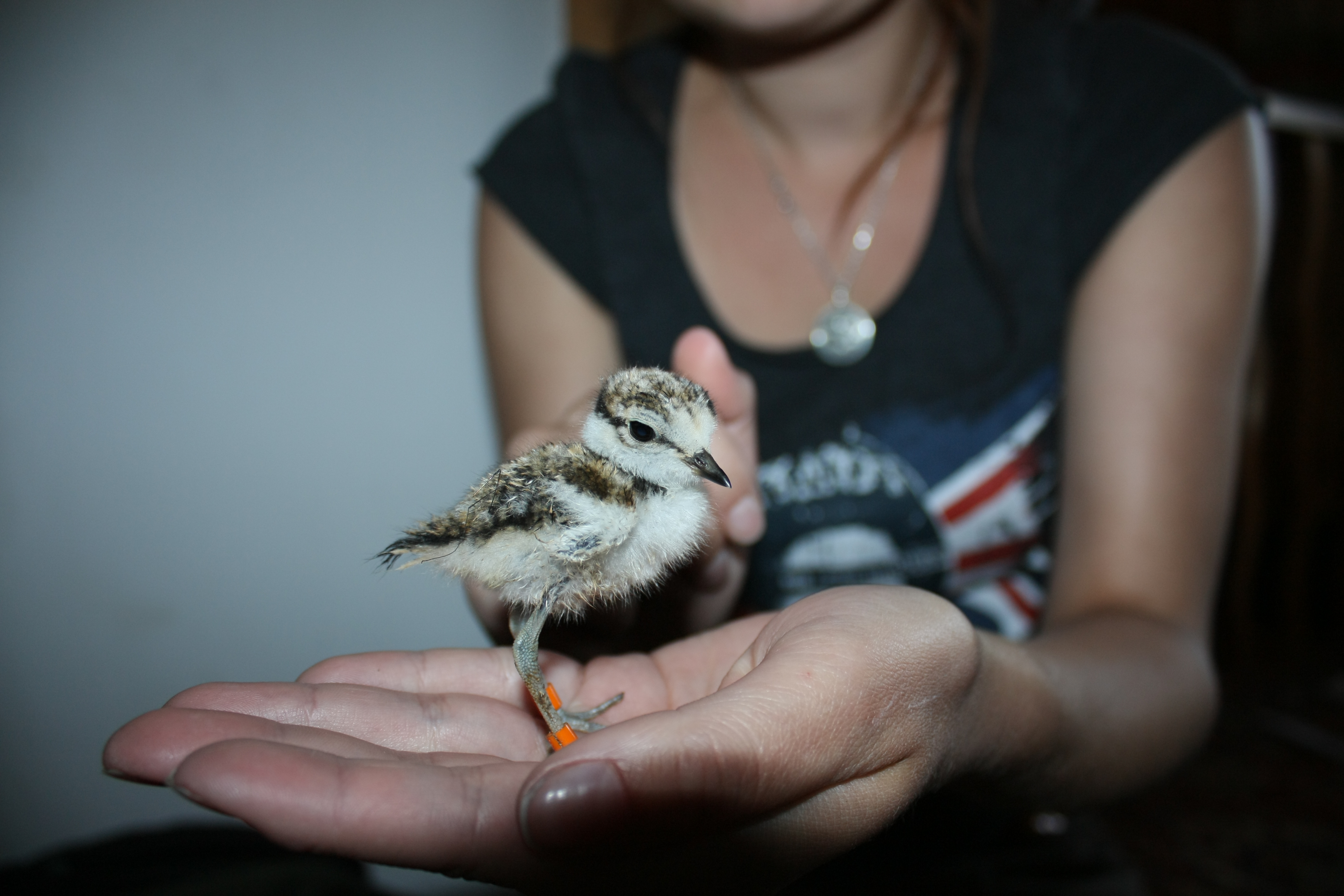 Figure 9: The Plover Oranžáda
The story of rearing our chicks and the fragments of their subsequent life journeys show that in waders, chicks can be reared and released with great success. And above all, that chicks released in this way are capable of taking care of themselves and successfully coping with the challenges that await them outside. And this is not an isolated story—similar successes have been reported by colleagues working with other species abroad. And you surely didn’t miss the story of the black-tailed godwit Blaťák, whose tagging with a transmitter we also contributed to this year and who is still in good health at his wintering site in Italy. All this is undoubtedly positive news for wildlife rescue centers as well, which rarely receive such encouraging feedback on their efforts. In the case of rearing waders, they can therefore be relatively reassured! But it’s also great news for nature conservation as a whole. This is, of course, not an argument that we should solve all the problems waders face in our landscape by rearing chicks! There is certainly no reason to give up on protecting and creating suitable breeding habitats. But if necessary, artificial rearing and release are an option for restoring a population to a place where it no longer exists, has suffered a critical decline, or where flooding or other destruction of nests simply couldn’t be prevented. And that is a good thing!
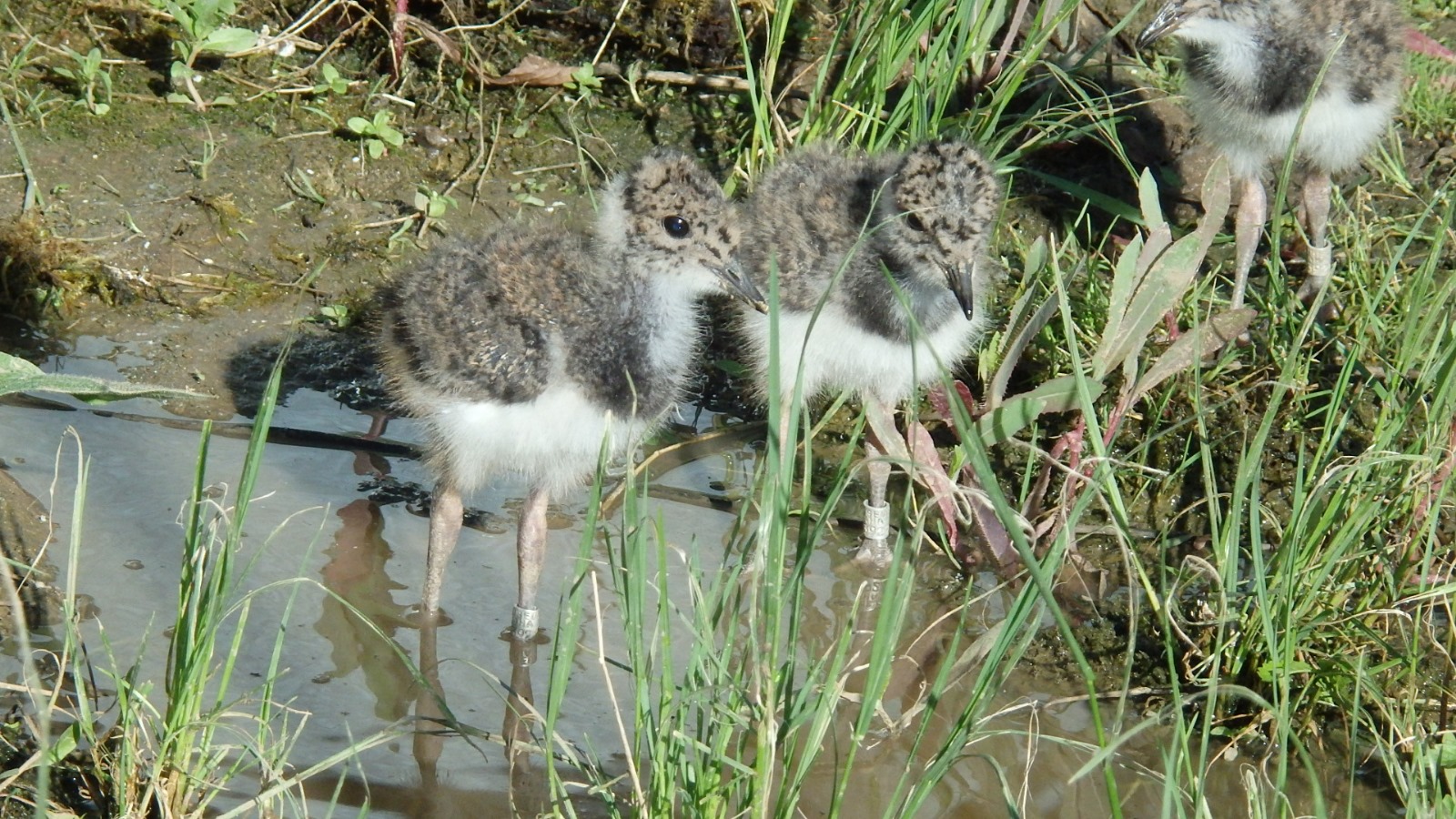 Obrázek 10: In the aviaries, we tried to imitate the chicks’ natural environment as closely as possible
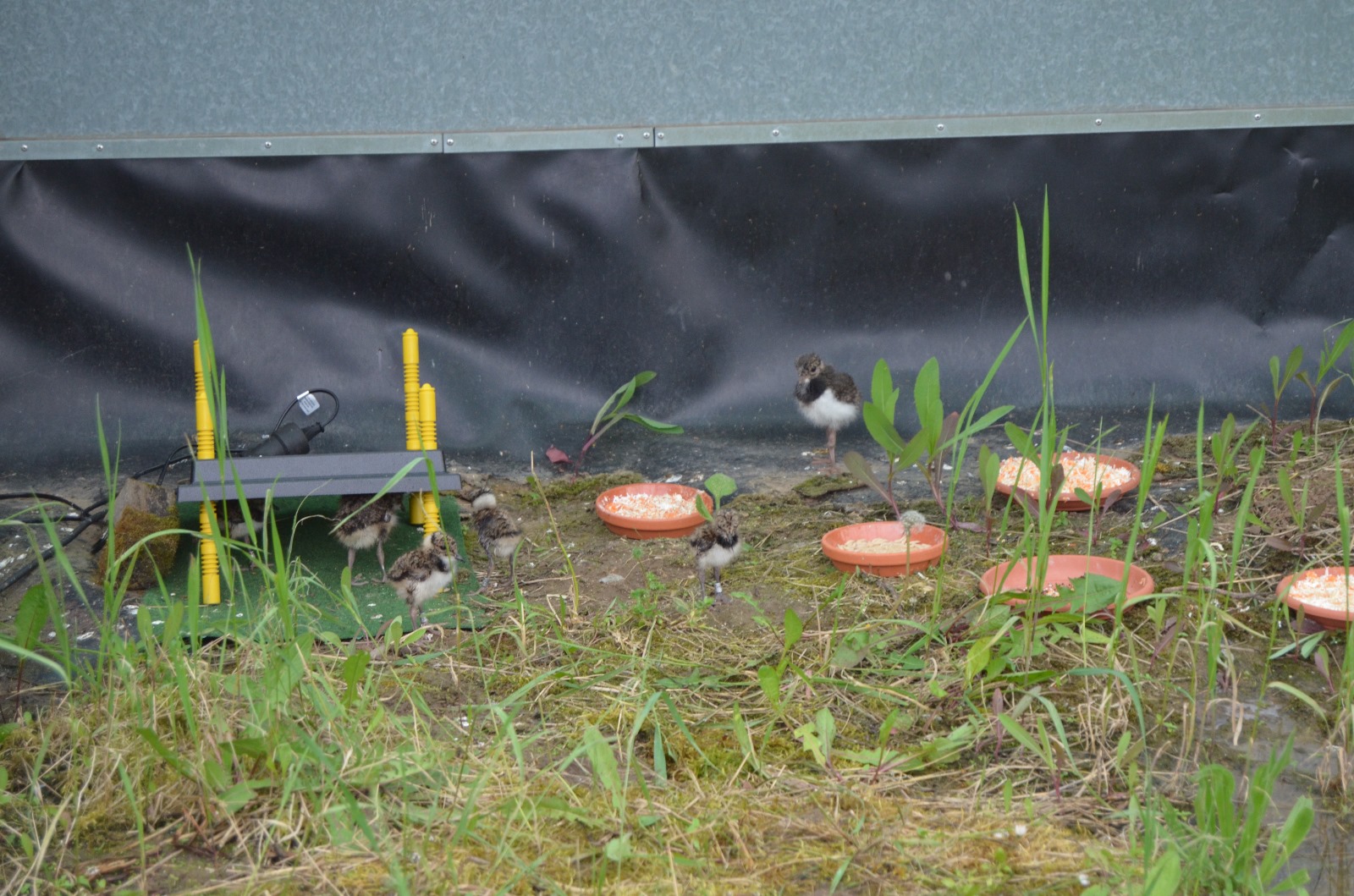 Obrázek 11: They always had plenty of prepared food available and the opportunity to warm up under an “artificial brooder”
In conclusion, all that remains is to wish Platan, the others who may still be alive, all other waders—and of course all of you—as many similarly good news items as possible in the coming New Year!